Mandala Decorative Icons Vector
As an embroidery designer and product reviewer, I always approach new designs with a critical eye. The Mandala Decorative Icons Vector caught my attention not just for its aesthetic appeal but for how it could translate into real-world projects. This vector graphic is ideal for those looking to add intricate, symbolic elements to their work. From custom apparel to handmade gifts, the design has a lot to offer—but it also comes with some considerations.
First Impressions: Aesthetic and Purpose
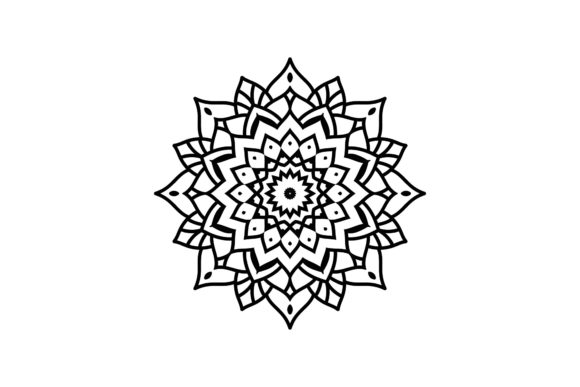
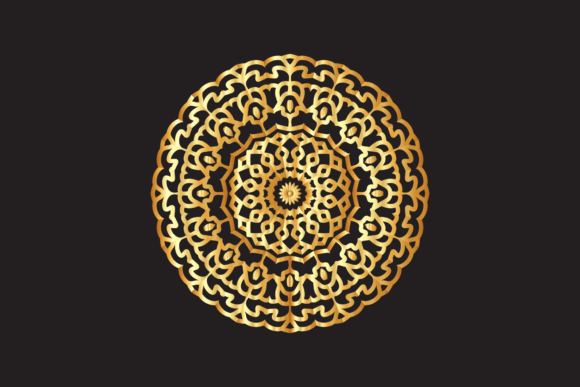
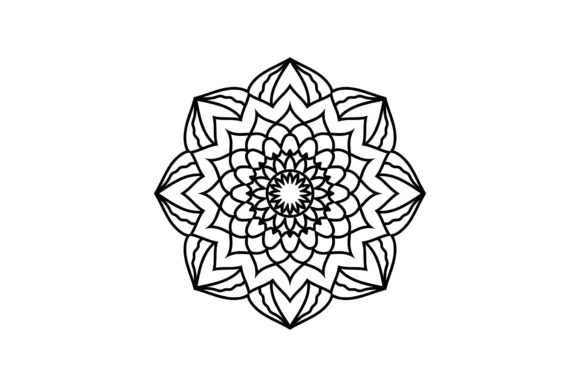
The Mandala Decorative Icons Vector immediately evokes a sense of calm and spiritual energy. The intricate patterns and symmetrical layout suggest a design meant for mindfulness, meditation, or decorative use. The level of detail is impressive, with delicate lines and flowing shapes that can be adapted to various applications. It feels like a design that belongs in a boutique shop, a handmade gift, or a personalized item for a special occasion.
The theme is versatile enough to work with both modern and traditional aesthetics. Whether you're creating a baby onesie with a calming motif or a holiday ornament, the design has the potential to elevate the overall look of the finished product. However, its complexity might not suit every project—especially those requiring minimalistic or bold visuals.
Real-World Embroidery Performance
When considering the Mandala Decorative Icons Vector for real embroidery projects, there are several factors to keep in mind. For custom apparel like sweatshirts or t-shirts, the design would work well as a central motif. Its scalability means it can be adjusted to fit different sizes without losing clarity. However, if you're working on a small hoop, certain details may become too fine to stitch effectively.
For baby items, such as onesies or blankets, the design’s soft, flowing lines make it a great choice. But the density of the stitches needs careful consideration. If the design is too dense, it might cause the fabric to pucker or feel stiff. A lighter stitch density or using a satin stitch instead of a fill stitch could help maintain a softer feel.
In terms of fabric compatibility, the Mandala Decorative Icons Vector works best on medium to heavy-weight fabrics. Thin or stretchy materials might not hold the design as well, especially if the stitch density is high. Textured fabrics could also interfere with the clarity of the design, making some details less visible after stitching.
Where to Use It Carefully
There are a few areas where the Mandala Decorative Icons Vector requires extra attention. Small hoop sizes, for example, may limit the ability to capture all the fine details. If you're planning to use this on a cap or a hat, the curved surface can complicate the placement and stitching of the design. It’s important to test it on a similar fabric before committing to a larger project.
On dark fabrics, the design may not stand out as much unless you use contrasting thread colors. Similarly, if you’re working on layered garments or products that will be washed frequently, the durability of the design becomes a concern. Using the right stabilizer and ensuring proper stitch density can help prevent fading or distortion over time.
For applique designs or those involving multiple layers, the Mandala Decorative Icons Vector could add visual interest, but the complexity might require additional planning. Tiny lettering or detailed corners could be challenging to execute accurately, so it's wise to review the design closely before proceeding.
Impact on Visual Appeal and Customer Perception
The Mandala Decorative Icons Vector has the potential to significantly enhance the visual appeal of any project. Its intricate details can make a handmade product feel more unique and valuable. Customers often respond positively to designs that have a personal or artistic touch, and this vector offers that opportunity.
When used effectively, the design can increase customer trust and engagement. A well-executed embroidery project with thoughtful design elements makes a stronger impression than a generic one. For Etsy sellers or small shop owners, this can mean better reviews, repeat customers, and a stronger brand identity.
However, if the design isn’t executed properly—whether due to poor stitch density, incorrect thread color, or improper stabilizer—it can detract from the overall quality. That’s why testing the Mandala Decorative Icons Vector on scrap fabric before using it on a final product is essential.
Practical Designer Notes
As someone who regularly works with machine embroidery designs, I always recommend starting with a test. Before using the Mandala Decorative Icons Vector on a client’s project or your own product, try it on a piece of scrap fabric. This helps identify any issues with stitch density, thread contrast, or fabric behavior.
Check the file size and hoop compatibility. While the design is scalable, it’s important to confirm that it fits within your machine’s capabilities. Also, consider how it looks in black and white mockups. This can reveal hidden details or potential issues that might not be obvious in color.
If you’re planning to sell finished products or digital files, make sure to review the licensing terms. Some designs may have restrictions on commercial use, so it’s crucial to verify that the Mandala Decorative Icons Vector aligns with your business goals.
Conclusion: A Thoughtful Addition to Your Design Toolkit
The Mandala Decorative Icons Vector is a versatile and visually appealing design that can enhance a wide range of embroidery projects. Its intricate details and symbolic nature make it ideal for handmade products, personalized gifts, and boutique merchandise. However, its success depends on how it’s applied and the care taken during the embroidery process.
For designers, crafters, and small business owners, this vector offers a creative opportunity—but it also demands attention to detail. With the right approach, the Mandala Decorative Icons Vector can become a valuable asset in your design repertoire, helping you create beautiful, meaningful, and professional-looking finished products.