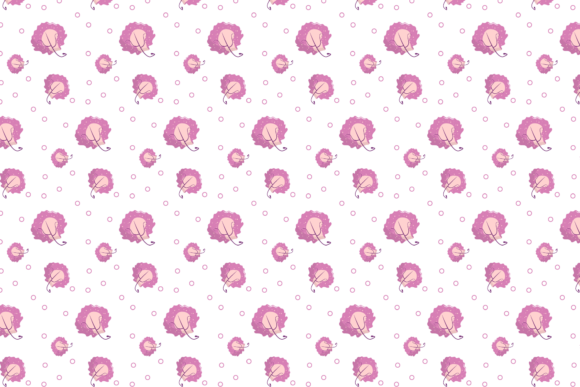
Decorative Pattern Design
As an embroidery designer and product reviewer, I often find myself evaluating new designs with a critical eye, considering how they’ll perform in real-world projects. The Decorative Pattern Design caught my attention for its clean vector structure and versatility. It’s a seamless pattern that offers both EPS and SVG files, making it accessible for various design workflows. But what does it actually look like when stitched? How does it translate to different fabrics and project types? Let’s dive into the details.
The First Impression
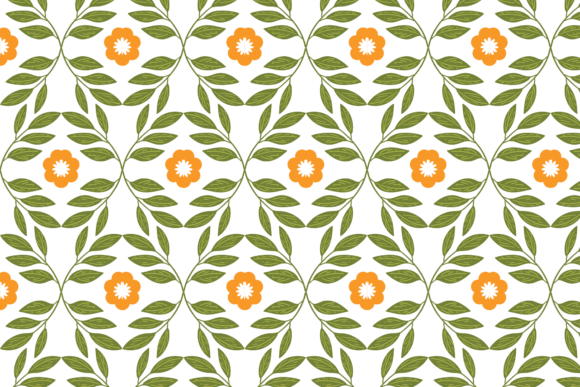
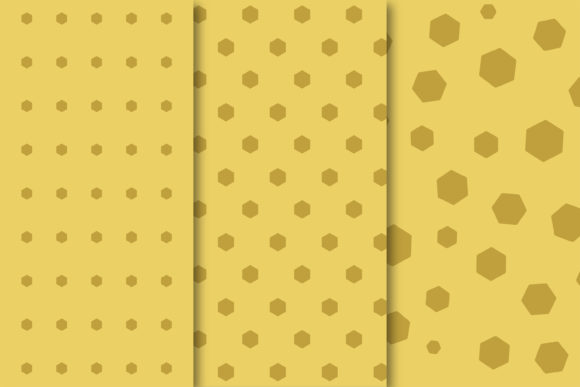
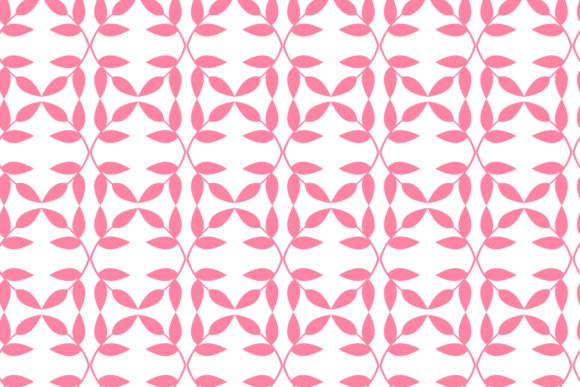
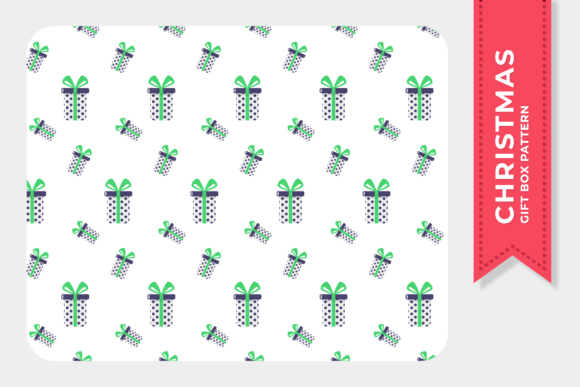
From the moment I opened the file, the Decorative Pattern Design felt cohesive and well-structured. The 100 vector shapes are neatly organized, which is a big plus for anyone who needs to edit or resize elements. The design has a classic, timeless feel—perfect for handmade products that need to stand out without being overwhelming. It leans toward a minimalist aesthetic but still has enough detail to make it visually engaging. The layout is balanced, and the shapes flow naturally, suggesting it could work well as a border, background, or central motif.
This pattern feels like it belongs on custom apparel, especially items like tote bags or sweatshirts where a subtle yet elegant design can elevate the overall look. It also has potential for baby items, where softness and simplicity are key. The high 300 dpi resolution ensures that the design remains sharp, even when scaled up for larger projects.
Real-Life Embroidery Performance
When testing the Decorative Pattern Design on a sample tote bag, I was pleased with how it translated to fabric. The stitch density was consistent, and the design didn’t appear too dense or sparse. It worked well with a standard hoop size, which is great for most home embroidery machines. However, I noticed that some of the smaller details might be lost on very small hoops, so it’s worth considering the size of your machine’s hoop before committing to a project.
On a sweatshirt, the design looked clean and professional. The satin stitch areas were smooth, and the fill stitches didn’t cause any puckering. For a personalized gift like a baby onesie, the pattern added a touch of elegance without being too intricate. It would also work well as an embroidered patch, where the vector nature of the design allows for easy customization.
One thing to keep in mind is that the Decorative Pattern Design may not be ideal for textured or stretchy fabrics. On a knitted cap, for example, some of the finer details got slightly distorted. It’s important to test the design on the actual fabric you plan to use, especially if it’s a unique or challenging material.
Where to Use With Caution
While the Decorative Pattern Design is versatile, there are certain scenarios where it might not perform as well. If you’re working with dark fabric, the design’s lighter elements might not show up as clearly. Similarly, on thin or stretchy materials, the stitch density could cause the fabric to pucker or distort.
For curved surfaces like caps or hats, the design might require some adjustment to ensure it aligns properly. Tiny lettering or highly detailed corners could also be problematic, depending on your machine’s capabilities. If you’re planning to use this design for a commercial project, it’s wise to review the licensing terms before selling finished products or digital files.
Another consideration is the visual impact of the design on layered garments. If the pattern is meant to be an applique design, you’ll want to make sure it doesn’t clash with other elements of the outfit. Testing the design on a black and white mockup can help you see how it will look on different backgrounds.
Impact on Visual Appeal and Customer Trust
When it comes to customer engagement, the Decorative Pattern Design has a lot to offer. Its clean lines and balanced composition make it appealing for a wide range of products. Whether you’re creating a boutique item for an Etsy shop or a custom apparel piece for a client, this design adds a level of professionalism that can set your work apart.
For small business owners and crafters, the ability to edit the design in EPS or SVG format is a major advantage. You can tweak colors, scale elements, or combine it with other graphics to create unique pieces. This flexibility enhances the value of the design and gives you more creative freedom.
From a branding perspective, the Decorative Pattern Design can help maintain consistency across your product line. It’s suitable for both personal and commercial projects, making it a reliable addition to your design assets. As a handmade product, it conveys quality and care, which can build trust with your audience.
Practical Designer Notes
Before finalizing any project, I always recommend testing the Decorative Pattern Design on scrap fabric. This helps you see how the stitches interact with the material and whether any adjustments are needed. Checking thread color contrast is also essential—especially if you’re using dark or light fabrics.
Reviewing the stitch density is another important step. If the design is too dense, it might cause the fabric to wear out faster, especially on items that get frequent use. Confirming the correct hoop size ensures that the design fits comfortably and stitches evenly.
Inspecting small details is crucial, particularly if the design includes intricate elements. Testing it in black and white mockups can reveal how the design looks without color, which is useful for understanding its visibility on different backgrounds. Using the right stabilizer is also key, especially for delicate or stretchy fabrics.
Finally, always check the licensing information before selling any finished products or digital files. Even though the Decorative Pattern Design appears to be a solid choice for many projects, it’s important to confirm that it meets your specific needs and legal requirements.