Decorative Paperclip: Graphics for Crafts and Creative Projects
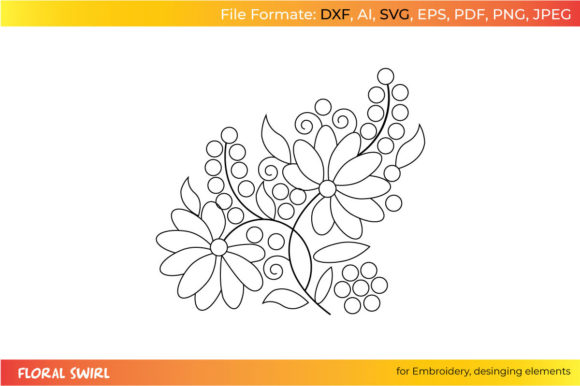
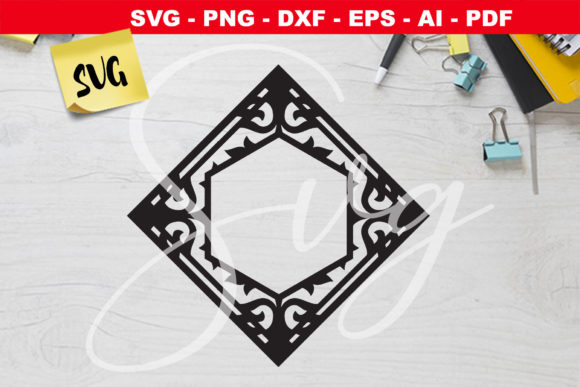
The Decorative Paperclip graphic design asset immediately catches the eye with its clean, minimalist aesthetic. The black and white palette offers a timeless appeal that can be easily adapted to fit a wide range of visual styles. As a blog designer and digital publisher, I find this asset particularly useful for projects that require a touch of elegance without overwhelming the viewer.
First Impressions and Editorial Mood
When first encountering Decorative Paperclip, the design feels modern and versatile. It evokes a sense of creativity and craftsmanship, making it ideal for content focused on DIY, handmade items, or personal expression. The simplicity of the design allows it to blend seamlessly into editorial layouts while still standing out as a distinctive element.
This graphic design asset supports niches such as lifestyle, arts and crafts, and creative entrepreneurship. Its clean lines and uncluttered look make it suitable for both playful and professional content, depending on how it's applied.
Real Publishing Use Cases
As a digital publisher, I see numerous applications for Decorative Paperclip in real-world content workflows. It can serve as a featured image for blog posts about DIY projects, a Pinterest pin for craft tutorials, or an article header for guides on personalized merchandise. The asset also works well as a website header, adding a subtle yet memorable visual identity to a site.
In editorial design, Decorative Paperclip can act as a recurring motif across a blog’s layout, reinforcing brand consistency. It can be used in newsletter graphics, lead magnets, and downloadable resources to create a cohesive look that resonates with readers.
For affiliate marketing and content marketing, the asset enhances visual hierarchy by drawing attention to key elements without distracting from the main message. It’s also effective in social media graphics, where a strong first impression is crucial for engagement.
Supporting Content Performance
Using Decorative Paperclip in blog graphics and web design can significantly improve content performance. A visually appealing design increases the likelihood of clicks, especially when paired with compelling headlines. The asset helps establish a stronger visual identity, which in turn builds reader trust and encourages repeat visits.
It also contributes to better category recognition, making it easier for readers to navigate through different sections of a website. Whether used as a thumbnail, a banner, or a background element, the design reinforces a professional and polished appearance.
Where Decorative Paperclip Works Best
This graphic design asset shines in hero images, article thumbnails, and Pinterest pins. It adds a decorative yet functional element to blog graphics, making it perfect for content upgrades and downloadable printables. In editorial layouts, it can serve as an accent that complements other design elements without overpowering them.
As a Canva template or digital guide, Decorative Paperclip provides a solid foundation for creating consistent visuals across multiple platforms. It’s also ideal for social media previews and digital ads, where clarity and impact are essential.
Where to Use with Caution
While Decorative Paperclip is highly adaptable, there are situations where it may not be the best choice. On small mobile thumbnails, the detail might get lost, reducing its effectiveness. In text-heavy blog images, it could compete with the main message rather than support it.
On low-contrast backgrounds or in busy layouts, the design may become difficult to read or visually jarring. For serious professional niches or corporate content, the asset might feel too casual or decorative. Websites with a minimal visual system may also find it too bold or intricate.
Publisher Notes and Practical Tips
Before integrating Decorative Paperclip into your content, test it on both desktop and mobile screens to ensure it looks good at all sizes. Preview it within a real blog layout to see how it interacts with other elements. Check how it appears alongside headline text, and ensure the contrast and readability meet accessibility standards.
Experiment with the design in black and white, then try it with different color schemes to see how it adapts. Place it beside various font styles—serif, sans serif, script, handwritten, and display—to determine how it complements your typography choices.
Review the file size for web performance and compress images properly to maintain fast loading times. Confirm that the commercial license allows use on monetized websites, affiliate pages, or paid content products before incorporating it into your workflow.
Conclusion: A Versatile Graphic Design Asset
Decorative Paperclip is a valuable addition to any digital publisher’s toolkit. Its clean, adaptable design makes it suitable for a wide range of creative projects, from blog graphics to printable design and social media graphics. Whether you're working on a digital guide, a lead magnet, or a content upgrade, this asset can elevate your visual storytelling and enhance your brand identity.
By thoughtfully integrating Decorative Paperclip into your editorial design and web design strategy, you can create more engaging, professional-looking content that resonates with your audience. As a creative designer or small business owner, this graphic design asset offers a powerful way to stand out in the crowded digital space.