Decorative Easter Egg Coloring Page
As an embroidery designer and product reviewer, I always start by evaluating a design’s potential for real-world use. The Decorative Easter Egg Coloring Page is a simple concept but carries a lot of creative potential. It’s a digital file meant for coloring, but when translated into embroidery, it opens up new possibilities for custom projects. Let’s break down what this design offers and how it might work in practical applications.
The First Impression
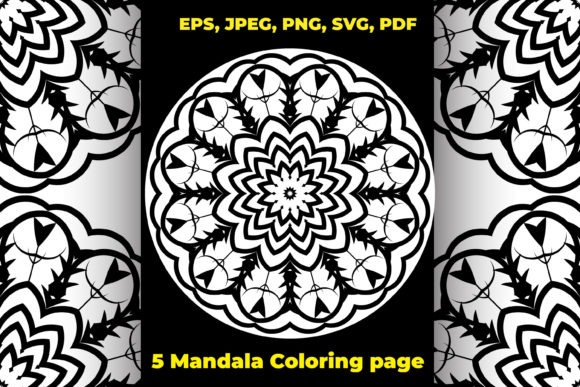
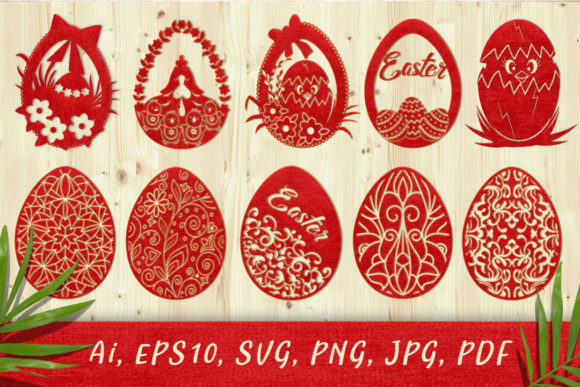
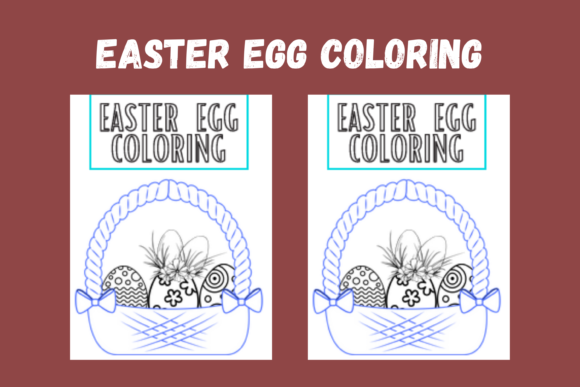
The Decorative Easter Egg Coloring Page has a clean, classic aesthetic that feels nostalgic and approachable. The layout is straightforward—mostly centered around a stylized egg shape with decorative patterns and some open areas for coloring. The design isn’t overly complex, which makes it accessible for beginners or those looking for something quick to stitch.
The visual personality leans toward traditional Easter themes—pastel colors, floral motifs, and whimsical details. This makes it ideal for springtime projects, especially those targeting children or families. However, the simplicity also means it may not stand out as a unique design unless paired with thoughtful embroidery techniques.
Real-World Embroidery Use Cases
When considering where to apply the Decorative Easter Egg Coloring Page, the first thought is its adaptability. It could be used on a variety of items like tote bags, sweatshirts, or baby clothes. For example, a custom embroidered tote bag featuring this design would make a great seasonal item for a craft fair or Etsy shop.
It also works well as an embroidered patch for caps, jackets, or backpacks. The design’s size and detail level suggest it would fit comfortably in a medium-sized hoop, making it manageable for most home embroidery machines. However, if you’re planning to use it on a curved surface like a cap, you’ll need to pay attention to how the design wraps around the curve.
Another angle is using it as a printable mockup for digital product previews. Since it’s a PDF, it can easily be incorporated into marketing materials or client presentations. This helps sellers showcase the design before committing to production.
Where to Be Careful
While the Decorative Easter Egg Coloring Page is versatile, there are some limitations. If you're working with small hoop sizes, this design might be too large to fit without resizing. That could lead to distorted stitching or loss of detail.
Textured fabrics or thin materials may not hold the design well. A satin stitch or fill stitch could look uneven on stretchy or delicate fabrics. Similarly, dark fabrics may require a different thread color to ensure visibility. Always test on scrap fabric first to confirm how the design translates.
For commercial use, check licensing terms before selling finished products. The design is likely intended for personal use, so unless it’s explicitly labeled for resale, you may need to adjust or source an alternative.
Impact on Visual Appeal and Product Value
When properly executed, the Decorative Easter Egg Coloring Page adds a charming touch to any project. Its clean lines and soft patterns make it ideal for handmade products that appeal to a family-oriented audience. It can elevate the value of a personalized gift or a boutique item by adding a touch of nostalgia and creativity.
However, if the design is rushed or poorly stitched, it could detract from the overall quality. Paying attention to stitch density and stabilizer use is key. A well-executed design will feel professional and polished, while a poorly done one might look cheap or unrefined.
Practical Designer Notes
- Test on scrap fabric before committing to a final project. This helps identify any issues with stitch placement or thread contrast.
- Check thread color contrast against the fabric. A light design on a dark background may need a contrasting thread color for visibility.
- Review stitch density to ensure it doesn’t cause puckering or distortion, especially on thin or stretchy materials.
- Confirm hoop size requirements. If the design is too large, consider resizing it or using a larger hoop.
- Inspect small details like corners and lettering. These areas can sometimes get lost in dense stitch areas.
- Test in black and white mockups to see how the design looks without color. This helps evaluate line weight and clarity.
- Compare on light and dark backgrounds to ensure the design remains visible and appealing in different contexts.
- Use proper stabilizer for delicate or stretchy fabrics to prevent shifting during stitching.
- Confirm licensing before using the design for commercial purposes. Some designs may have restrictions on resale or modification.
Best Fit for Projects
The Decorative Easter Egg Coloring Page is best suited for projects that emphasize creativity and tradition. It fits well in holiday-themed items, such as embroidered aprons, pillow covers, or kitchen towels. It also works well for baby items like onesies or blankets, where a soft, whimsical design can add charm.
For small shop owners or Etsy sellers, this design could be part of a seasonal collection. Pairing it with other Easter or spring-themed elements can create a cohesive brand identity. As a digital embroidery file, it’s easy to market and sell as part of a downloadable collection.
Final Thoughts
The Decorative Easter Egg Coloring Page is a solid choice for those looking to add a traditional, festive touch to their embroidery projects. While it’s not the most intricate design, its simplicity allows for flexibility in application. With careful consideration of fabric type, hoop size, and stitch settings, it can become a valuable addition to any craft business or handmade collection.