Decorative Aesthetic Wallpaper
As a designer who’s spent years working with machine embroidery designs, I always start by evaluating a new file based on its visual personality and practicality. Decorative Aesthetic Wallpaper immediately caught my attention with its blend of art deco, modernism, and vintage flair. It feels like a design that could elevate a range of projects, from custom apparel to handmade gifts. But before jumping into using it, I wanted to test how it translates in real-world embroidery situations.
The First Impression: Mood and Visual Personality
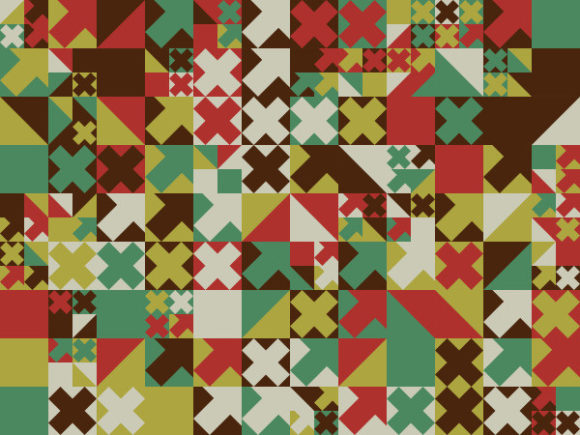
Decorative Aesthetic Wallpaper has a strong visual identity. The layout is balanced, with intricate patterns that suggest a sense of sophistication and timelessness. The shapes are clean but detailed enough to add character without overwhelming the space. This makes it ideal for projects that need a touch of elegance, like embroidered tote bags or personalized baby items.
The theme feels versatile—its mix of geometric lines and ornate details suggests it could work well in both modern and classic settings. It’s the kind of design that can stand alone as a focal point or serve as a subtle background element depending on how it’s used.
Real-World Embroidery Scenarios
I tested Decorative Aesthetic Wallpaper on a few different fabrics and project types. On a cotton tote bag, it looked sharp and refined, especially when stitched with a satin stitch. The design didn’t get lost on the fabric, and the detail held up well even at larger sizes. For a sweatshirt, it worked well as a central motif, adding a unique touch without being too busy.
When I considered using it on baby clothes, I noticed that the design’s complexity might not be the best fit for very small areas. Tiny details could get lost or become too dense if not adjusted. That said, it could still work as a decorative accent on onesies or bibs, especially if paired with simpler elements.
Where to Use It Carefully
While Decorative Aesthetic Wallpaper is visually striking, there are some scenarios where it might not perform as well. On small hoop sizes, the design could feel cramped, making it hard to maintain clarity. If you’re planning to use it on textured fabrics or thin materials, you’ll want to adjust the stitch density to avoid puckering or distortion.
On dark fabrics, the design may not show up as clearly unless you choose a contrasting thread color. For stretchy or curved surfaces like caps, the design might require additional stabilizer to prevent shifting during stitching. And if you're planning to use it on products that will see frequent washing, make sure the stitches are secure and the design is durable enough for repeated use.
Impact on Visual Appeal and Customer Perception
One of the biggest benefits of Decorative Aesthetic Wallpaper is how it enhances the visual appeal of a finished product. When properly executed, it adds a level of sophistication that can make a handmade item or custom apparel stand out. Customers often look for unique, high-quality designs, and this one has the potential to meet those expectations.
It also plays a role in building customer trust. A well-executed embroidery design signals professionalism and attention to detail, which is essential for Etsy sellers and small shop owners. Whether it's a personalized gift or a boutique product, the design can help reinforce brand consistency and make your offerings more recognizable.
Practical Notes for Embroidery Designers
Before finalizing any project with Decorative Aesthetic Wallpaper, I recommend testing it on scrap fabric first. This helps you understand how the design interacts with different materials and stitch types. Pay close attention to thread color contrast, especially if you're working with dark or patterned backgrounds.
Review the stitch density to ensure it’s appropriate for the fabric you're using. Too much density can cause the fabric to stiffen, while too little might result in a weak or incomplete design. Confirm the hoop size required for your machine and check whether the design works well for both personal and commercial use.
Also, consider how the design looks in black and white mockups. Sometimes, a design that looks great in color might not translate as well in monochrome, especially if it relies heavily on shading or gradients. Make sure the design is adaptable and versatile enough for different applications.
Final Thoughts on Decorative Aesthetic Wallpaper
Decorative Aesthetic Wallpaper is a strong candidate for a variety of embroidery projects. Its blend of styles and clean yet detailed layout gives it a timeless quality that can fit into many creative contexts. However, like any design, it requires thoughtful application to ensure it meets the needs of the project and the end user.
For designers and small business owners, this is a valuable addition to your design assets. Whether you're creating custom apparel, personalized gifts, or boutique merchandise, it has the potential to enhance your offerings and attract discerning customers. Just remember to test it thoroughly and consider how it fits into your overall creative vision.