4th of July Decorative Elements
As a designer with years of experience in embroidery and craft products, I often find myself evaluating new designs for real-world use. The 4th of July Decorative Elements caught my attention not just for its patriotic theme but for how it could translate into practical, high-quality embroidery projects. This design is more than just a seasonal graphic—it’s a versatile tool for anyone looking to create meaningful, eye-catching pieces for customers or personal use.
First Impressions: A Design That Speaks Patriotism
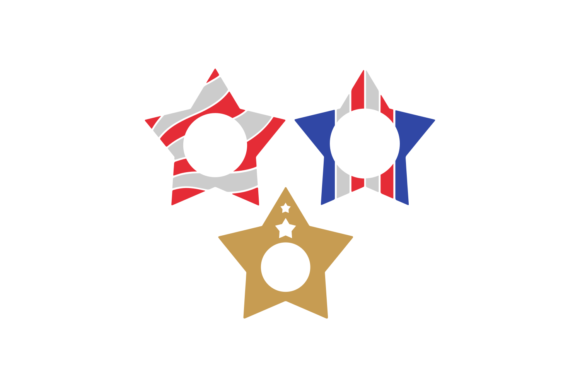
The 4th of July Decorative Elements immediately evokes a sense of celebration. The layout is clean, with bold shapes that suggest stars, stripes, and other classic symbols of the holiday. The detail level is appropriate for an embroidery file—enough to be recognizable but not so intricate that it becomes overwhelming on fabric. It feels like a design that would work well on both large and small projects, depending on how you scale it.
This design fits naturally into custom apparel, especially items like tote bags, sweatshirts, and baby clothes. The visual personality is cheerful and nostalgic, making it ideal for handmade products that aim to evoke warmth and tradition. Whether it’s for a personalized gift or a small business item, the 4th of July Decorative Elements has a clear purpose and audience.
Real-World Embroidery Performance
Testing the 4th of July Decorative Elements on different fabrics and projects gave me a good sense of how it performs. On cotton or denim, the design holds up well, with clear stitch lines and minimal distortion. However, on thinner or stretchy materials, the design may require additional stabilizer to prevent puckering or shifting during stitching.
For custom apparel like t-shirts or sweatshirts, the design works well when used as a central motif. It’s also great for embroidered patches, where the detail can be preserved without becoming too dense. When applied to caps or hats, the design needs careful placement to avoid stretching or distortion around curved surfaces.
One thing to note is that the 4th of July Decorative Elements might not be ideal for very small hoop sizes. If you’re working with limited space, you may need to adjust the design or simplify certain elements to maintain clarity. Similarly, if you're planning to use it on dark fabrics, make sure the thread colors contrast well to ensure visibility.
Where to Use With Caution
While the 4th of July Decorative Elements is a solid choice for many projects, there are a few situations where caution is advised. For instance, on textured fabrics like canvas or linen, the design may not sit as smoothly as on smoother materials. In such cases, a light stabilizer can help keep the stitches flat and even.
If you're working with thin or stretchy fabrics, like those found in baby clothes or activewear, the design may require extra support. Dense stitch areas could lead to stiffness, so it’s worth testing on scrap fabric before committing to a final project. Tiny lettering or intricate corners might not come out as crisp as expected, so consider simplifying or adjusting these parts if needed.
For commercial embroidery or digital product sales, always check the licensing terms. While the 4th of July Decorative Elements appears to be compatible with most machines, it’s important to confirm that the file format and usage rights meet your specific needs.
Impact on Visual Appeal and Customer Trust
When it comes to visual appeal, the 4th of July Decorative Elements delivers a strong, recognizable look that can elevate any project. Its clean lines and bold shapes make it suitable for both casual and more formal applications. As a handmade product, it adds value by offering a unique, custom touch that customers appreciate.
From a customer perspective, this design is likely to be well-received, especially around the holiday season. It’s a familiar and comforting image that can be easily associated with patriotism, celebration, and nostalgia. This makes it a great option for personalized gifts, boutique products, or holiday-themed merchandise.
For small shop owners and Etsy sellers, the 4th of July Decorative Elements can serve as a reliable design asset. It supports brand consistency and helps create a cohesive product line that resonates with your target audience. When used effectively, it can also boost buyer engagement by offering something that feels both special and meaningful.
Practical Designer Notes
Before using the 4th of July Decorative Elements in any project, I recommend testing it on scrap fabric first. This allows you to see how the design translates onto different materials and adjust settings accordingly. Checking thread color contrast is also essential—especially if you plan to use the design on dark or light backgrounds.
Reviewing the stitch density is another key step. If the design is too dense, it could cause stiffness or damage to delicate fabrics. Confirming the correct hoop size will help ensure that the design fits comfortably without being stretched or distorted.
Inspecting small details like corners and lettering can reveal potential issues that might not be obvious at first glance. Testing the design in black and white mockups can also help you visualize how it will look on different fabric colors. Using the right stabilizer and ensuring proper tension settings are also crucial for achieving a professional finish.
Finally, always verify that the 4th of July Decorative Elements is suitable for both personal and commercial use. If you're selling finished products or digital files, make sure the licensing terms allow for that. This ensures that you can confidently offer the design as part of your craft business or creative venture.